Page, AZ Weather
Page sits at roughly 4,300 feet in Arizona’s high desert, where the weather can change quickly even though the annual precipitation total is low. Summer afternoons can exceed 100°F, winter nights can fall below freezing, and monsoon storms can turn a clear day into a lightning, wind, or flash-flood concern from mid-June through September.
The climate table below uses rounded 1981–2010 climate normals for Page. It is useful for trip planning, but it is not a substitute for the current forecast. Check the National Weather Service forecast before hiking, boating, driving to higher elevations, or entering a slot canyon.
Page Weather at a Glance
- Hottest period: July and August, with average highs in the low to mid-90s and overnight lows in the upper 60s.
- Coolest period: December and January, with average highs in the mid-40s and overnight lows in the upper 20s.
- Driest period: Late spring and early summer are normally dry, though June can still be windy and hot.
- Wettest period: Late summer and early fall have the highest average precipitation because of monsoon moisture.
- Main weather risks: Heat, sun exposure, dehydration, lightning, flash flooding, lake wind, and occasional winter ice.
For most travelers, April through May and September through October offer the widest range of comfortable outdoor conditions. Summer is workable if you start early, carry water, and avoid the hottest part of the day. Winter is quieter, but higher-elevation roads and trails can still be icy.
Page Weather by Month
These rounded averages show the general pattern. Individual days can be much warmer, colder, windier, or wetter than the numbers suggest.
| Month | Average high | Average low | Average precipitation |
|---|---|---|---|
| January | 45°F | 27°F | 0.60 in. |
| February | 51°F | 32°F | 0.56 in. |
| March | 61°F | 39°F | 0.56 in. |
| April | 70°F | 46°F | 0.47 in. |
| May | 81°F | 55°F | 0.41 in. |
| June | 91°F | 64°F | 0.19 in. |
| July | 96°F | 70°F | 0.56 in. |
| August | 93°F | 68°F | 0.87 in. |
| September | 84°F | 60°F | 0.80 in. |
| October | 71°F | 48°F | 0.88 in. |
| November | 53°F | 35°F | 0.53 in. |
| December | 45°F | 28°F | 0.39 in. |
Spring: March Through May
Spring brings the clearest seasonal shift. March mornings can still be cold, while May afternoons are already warm enough to feel like summer in direct sun. Wind is common, and a calm morning can become a dusty or breezy afternoon.
This is a strong period for hiking and sightseeing because the days are long and the worst summer heat has not arrived. Pack layers: a light jacket may be useful at sunrise, while a hat and sun protection may be necessary by midday.
Summer: June Through August
June is usually hot and dry. July and August add monsoon moisture, which means more clouds, higher humidity, and a greater chance of afternoon thunderstorms. Average highs stay in the 90s, and the sun at Page’s elevation increases the risk of sunburn and dehydration.
Plan outdoor activity early. By midday, shade becomes limited at Horseshoe Bend, exposed trailheads, boat ramps, and parking areas. On Lake Powell, wind and boat traffic can make conditions feel rougher than the forecast implies. Afternoon storms can also bring lightning, sudden gusts, and reduced visibility.
Fall: September Through November
September can still feel like summer, especially in the first half of the month. October is more transitional, with warm afternoons and cool nights. November is much colder, and overnight frost or ice becomes possible.
Early fall still carries monsoon-related storm risk. By late fall, the larger concerns are shorter days, colder mornings, and icy patches on shaded roads or trails. It is a good season for travelers who want cooler hiking weather, but conditions can vary sharply from one week to the next.
Winter: December Through February
Winter days are often cool rather than severe, with highs typically in the 40s and 50s. Nights regularly fall below freezing. Snow is possible, but winter precipitation in Page is more often light and mixed rather than a major snowstorm.
The practical issue is ice. Shaded roads, metal stairs, canyon trails, and overlooks can freeze overnight. The Grand Canyon North Rim is also outside its main season, and services are limited or closed. Confirm current conditions before driving long distances or planning a dawn viewpoint visit.
Monsoon Season and Flash-Flood Risk
Arizona’s monsoon season officially runs from June 15 through September 30. In Page, monsoon weather often means isolated afternoon and evening thunderstorms rather than all-day rain. The total rainfall may be modest, but individual storms can produce intense rain, lightning, dust, and flash flooding.
Slot canyons deserve special caution. Rain does not need to fall directly overhead to create a flash-flood risk; runoff from higher ground miles away can move quickly through narrow canyon systems. Guided Antelope Canyon tours can be delayed or canceled when conditions are unsafe. Do not enter or remain in a slot canyon during rain, and follow closure or safety instructions from Navajo guides and land managers.
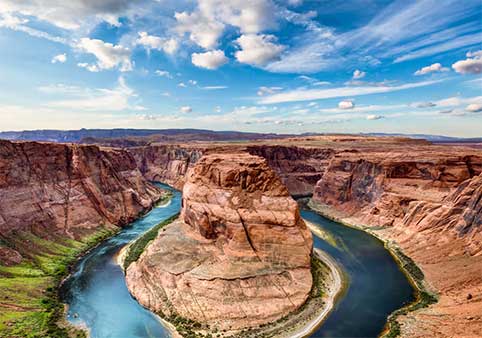
At Horseshoe Bend, the main concern is exposure. The overlook is open to wind and lightning, and the sandy trail offers little shelter. If a storm is nearby, wait it out in your vehicle or another substantial building rather than staying on the rim.
On Lake Powell, monsoon storms can create rough water, lightning risk, and poor visibility. Boaters should monitor conditions, secure loose gear, and follow marina or tour-operator guidance.
How Weather Affects Activities Around Page
- Antelope Canyon: Heat, dust, and flash-flood risk are the main concerns. Reserve an earlier tour in summer when possible, and check for weather-related updates before arrival. Use Antelope Canyon tours to compare current tour options.
- Horseshoe Bend: The 1.2-mile round-trip walk crosses exposed, sandy terrain. Summer visitors need water, a hat, sunscreen, and realistic limits. Thunderstorms make the rim a poor place to wait out bad weather. See Horseshoe Bend tours for guided alternatives.
- Lake Powell: Wind can be more disruptive than temperature. A calm morning does not guarantee an easy afternoon return by boat. Carry more water than you expect to need and protect electronics from sun, spray, and sand. Start planning with Lake Powell.
- Colorado River: The section below Glen Canyon Dam is protected from some wind, but the water remains cold even when the air is hot. Sun exposure is still high. Guided and self-guided options have different weather and equipment requirements; review Colorado River rafting before booking.
- Hiking and road trips: The North Rim has a short season, while Zion and Bryce sit at higher elevations where winter ice and snow can last longer. A Page forecast does not describe those parks. Check Grand Canyon, Zion National Park, and Bryce Canyon conditions separately.
What to Pack for Page Weather
Pack for sun exposure in every season. The desert air is dry, and visitors can become dehydrated before they feel thirsty. Bring a refillable water bottle, sunscreen, sunglasses, lip balm, and a brimmed hat. Closed-toe shoes are useful for sandy trails, slot-canyon tours, rocky surfaces, and winter ice.
Add season-specific layers rather than relying on the daily high alone:
- Spring: A light insulated layer, wind-resistant jacket, and clothing that can adjust from cold mornings to warm afternoons.
- Summer: Light-colored clothing, extra water, electrolytes for long outdoor days, and a plan for midday shade or air-conditioning.
- Monsoon season: A compact rain layer and a way to monitor weather updates, especially before slot-canyon or boating plans.
- Fall: Warmer layers for early morning and evening, particularly in October and November.
- Winter: Insulated jacket, gloves, warm socks, and footwear that can handle icy patches.
For camping or RV trips, weather protection matters more because you will spend additional time outside. Review camping and RV information before assuming that average temperatures are enough for a comfortable night.
Weather and Seasonal Travel Planning
Average weather should guide packing, but the current forecast should guide timing. Check conditions again 24 to 48 hours before key activities and again the morning of your tour. This matters most for Antelope Canyon, Horseshoe Bend, Lake Powell boating, and any drive into higher terrain.
Weather also affects lodging demand. Spring and fall bring comfortable touring conditions and can fill Page hotels quickly. Summer requires more flexibility because storms may shift a boat trip or outdoor plan. Winter offers quieter travel periods, but shorter daylight hours and seasonal closures reduce the number of workable activities.
If your trip includes several regions, build the itinerary around weather zones rather than assuming one forecast applies everywhere. Page, the Grand Canyon rims, Monument Valley, Zion, and Bryce can have very different temperatures and road conditions on the same day. Use day trips from Page to understand how those places fit together, and compare lodging options through where to stay in Page.
Frequently Asked Questions
What is the hottest month in Page, Arizona?
July is typically the hottest month, with an average high near 96°F. August is only slightly cooler and can feel more humid during monsoon season.
Does Page get snow?
Yes, but snow is usually light and not persistent. Winter precipitation more often arrives as a rain-snow mix. The larger concern is ice on shaded roads, stairs, and trails after cold nights.
When is monsoon season in Page?
Arizona’s monsoon season runs from June 15 through September 30. In Page, the main impacts are afternoon thunderstorms, lightning, wind, dust, and localized flash-flood risk.
Can flash floods affect Antelope Canyon?
Yes. Slot canyons can flood even when rain falls miles away. Guided tours may close or turn back when conditions are unsafe, and visitors should never ignore weather warnings.
What should you wear in Page during summer?
Wear light-colored clothing, a brimmed hat, sunscreen, and closed-toe shoes suitable for sand and rock. Carry more water than you think you need and plan strenuous outdoor activity for earlier in the day.
Is Page too hot to visit in summer?
Summer visits are manageable with planning. Start early, use shade or air-conditioning during the hottest hours, hydrate, and avoid treating a forecast high of 95°F as a mild day because of the dry air and intense sun.
Does it rain much in Page?
Page’s annual precipitation is low, but individual monsoon storms can be intense. Dry conditions most of the year do not eliminate the risk of dangerous flash flooding in canyons or washes.
Do winter storms close attractions near Page?
Local closures are usually related to ice, snow, or limited services rather than prolonged winter storms. The Grand Canyon North Rim has a short season, and higher-elevation parks such as Zion and Bryce can have snow or icy roads when Page itself is clear.

Lake Powell Taxi Services
Private Tour | Custom Options Available | Native (Dine) Operated | Family-Friendly

Red Feather Lodge Grand Canyon
Grand Canyon | Pet-Friendly | Access to Trails | Restaurant on Site | Pool | Hot Tub | Laundry | Fitness Room
Local Business Spotlight